How Does A Smart Vending Machine Remote Management System Work?
How Does a Smart Vending Machine Remote Management System Work?
1. How Does a Smart Vending Machine Remote Management System Work?
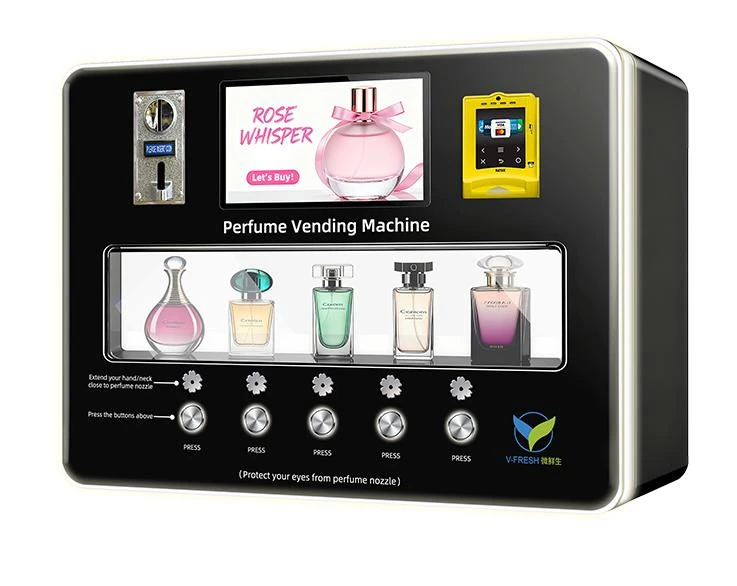
A smart vending machine remote management system usually consists of three main parts: the vending machine, an internet connection, and a cloud management platform.
The vending machine handles product display, customer interaction, payment, and dispensing. Through Wi-Fi or 4G connectivity, depending on the machine configuration, operating data can be transmitted to a cloud-based vending management system.
Operators can then log in through a computer or mobile device to check available information, such as sales records, machine status, product inventory, and operating performance.
For businesses managing multiple machines, this makes daily operations easier because important information can be viewed remotely instead of checking every machine manually.
2. How Do Customers Buy Products from a Smart Vending Machine?
One of the main advantages of a smart vending machine is its simple self-service purchasing process. Customers can complete a purchase without assistance from store employees.
A typical customer experience includes these steps:
Step 1: Browse the Products
Customers approach the machine and view the available products on its touchscreen or display. Product names, pictures, prices, and other information help them make a selection.
Step 2: Select a Product
After choosing an item, the customer taps the corresponding product on the screen or follows the machine's selection instructions.
Step 3: Complete Payment
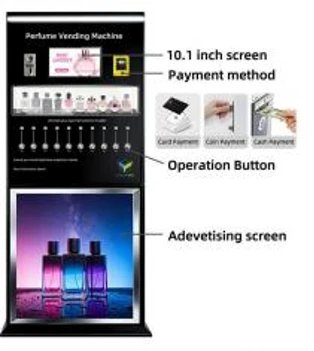
The customer pays using the available payment method. Depending on the model and payment configuration, options may include cash, coins, bank cards, or QR code payments.
Step 4: Automatic Product Dispensing
Once payment is confirmed, the machine's control system activates the dispensing mechanism. The selected product is delivered through the designated pickup area or collection compartment.
Step 5: Collect the Product
The customer takes the product and completes the purchase. The transaction information can then be recorded and synchronized with the management platform.
This self-service process allows businesses to offer products during extended operating hours while reducing the need for staff at each sales location.
3. How Does Remote Management Help Business Operators?
The remote management platform is where smart vending technology becomes particularly useful for B2B operators.
Instead of visiting every machine to check its performance, authorized users can access the management system from a PC or other supported device.
Depending on the software and machine configuration, common management functions may include:
Sales Monitoring: Review transaction records and sales performance.
Inventory Management: Check product availability and identify items that need replenishment.
Machine Status: View online status and available operating information.
Product Management: Update product information and prices where supported.
Remote Administration: Manage selected machine settings through the software.
Performance Reports: Compare sales data across different machines and locations.
For vending machine distributors and multi-location operators, these functions can help improve stock planning, reduce unnecessary site visits, and make business decisions based on operating data.
4. Where Can Smart Vending Machines Be Used?
Smart vending machines are suitable for many commercial environments. Their applications depend on the product type, machine design, storage requirements, and local customer demand.
Common applications include:
Shopping malls and retail stores: Sell snacks, drinks, personal care products, and daily essentials.
Office buildings: Provide convenient access to beverages, food, and workplace supplies.
Schools and universities: Offer suitable food, drinks, and other campus products.
Hospitals and public facilities: Provide convenient self-service purchasing options.
Transportation hubs: Serve customers in airports, stations, and other high-traffic areas.
Residential communities: Support convenient neighborhood retail services.
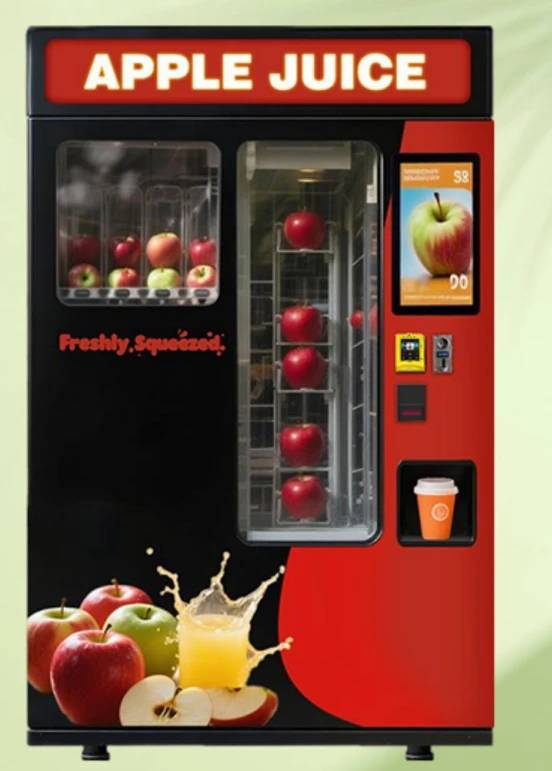
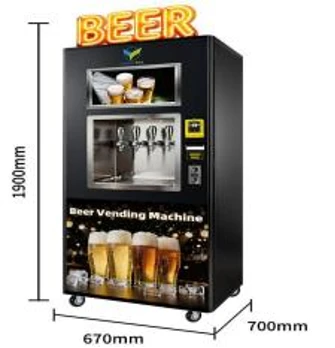
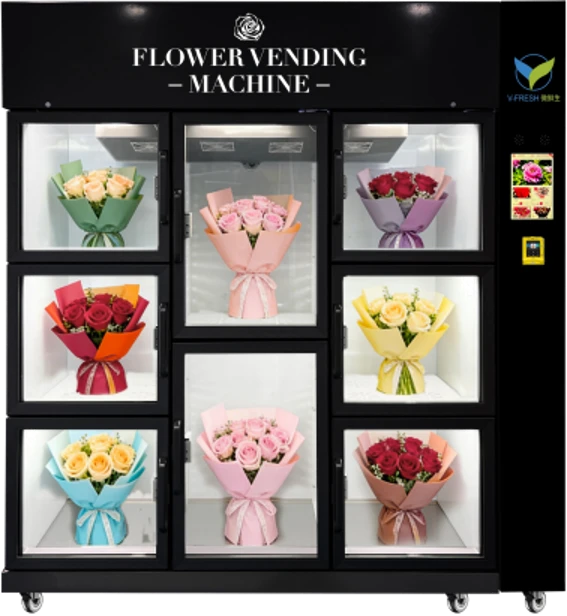
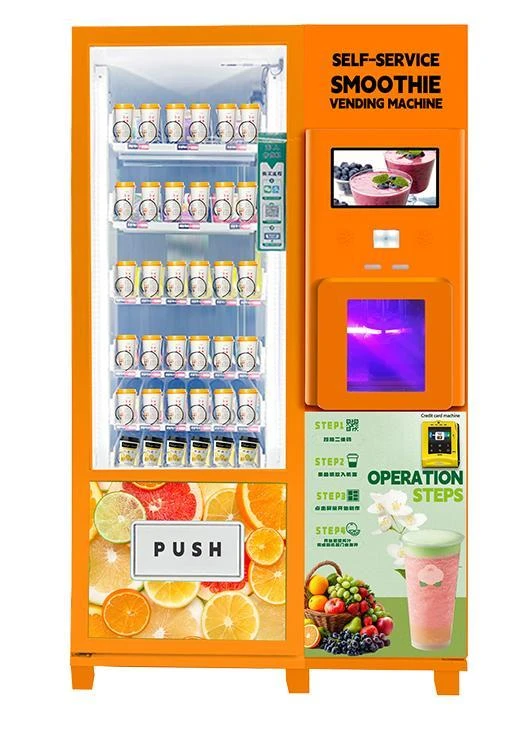
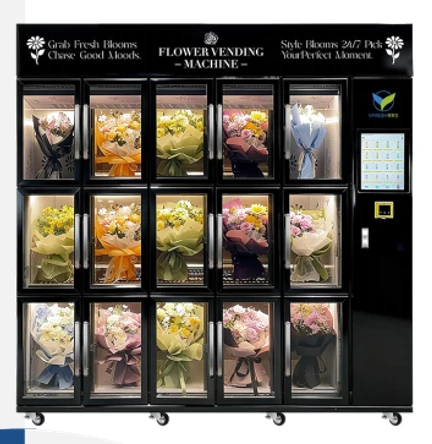
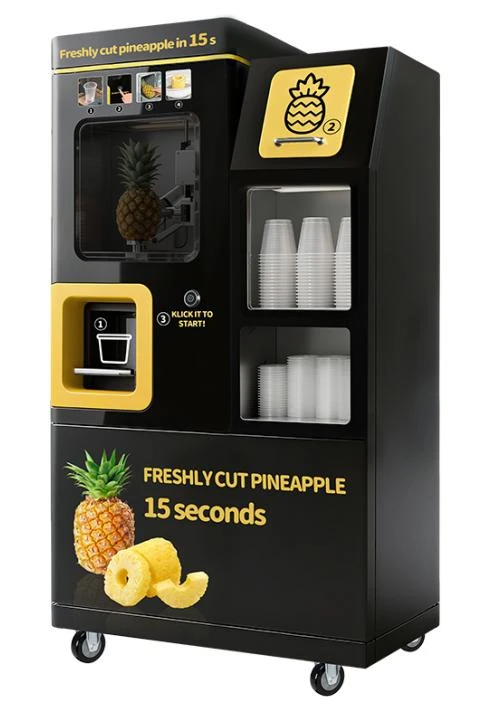
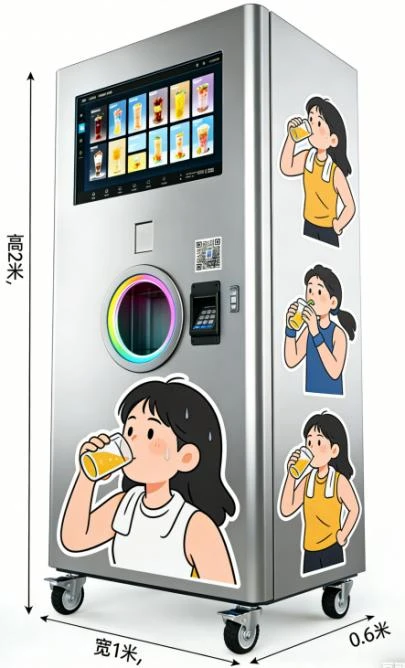
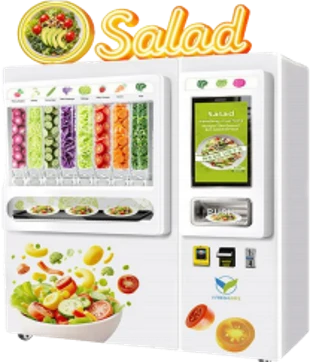
Specialized machines can also sell fresh flowers, milk, instant noodles, milk tea, fresh juice, salads, and other products.
5. What Should Buyers Check Before Purchasing a Smart Vending Machine?
Choosing the right equipment requires more than comparing machi